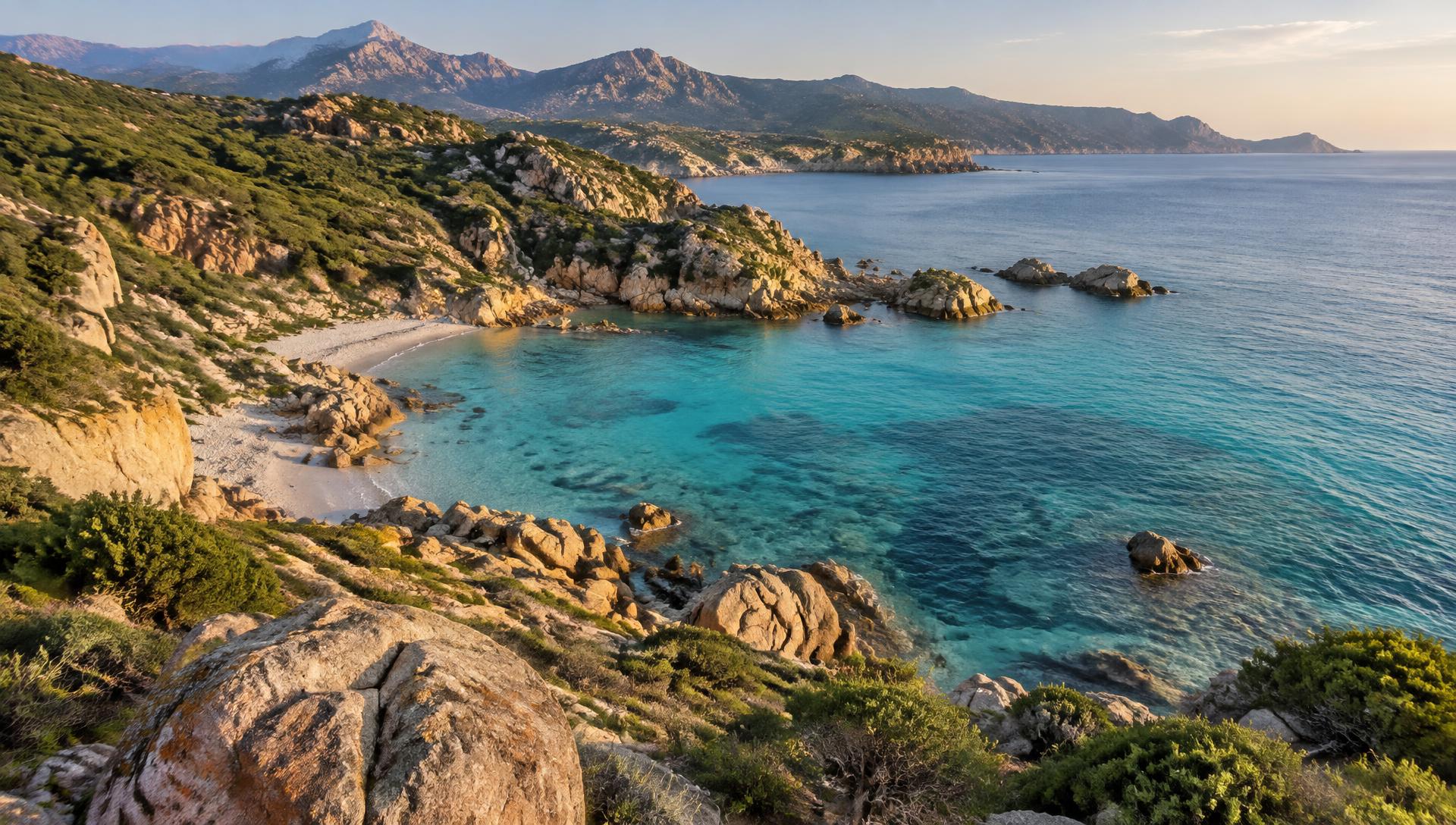
Rhythm
Short, regular lines shaped by the breath of singing rather than by the page.
Capìtulu — A Paghjella
A short form, made for the voice, at the heart of Corsican oral tradition.
Sung paghjella
Definition
The paghjella is a traditional Corsican poetic and musical form, closely tied to polyphonic singing. It is built on short, regular verses carried by three voices that call and answer each other.
Long transmitted orally, from village to village and generation to generation, it accompanies work, celebrations and mourning alike.
Characteristics
Short, regular lines shaped by the breath of singing rather than by the page.
Nature and the maquis, villages, love, the island's history, people and the events of life.
Corsican, with its own sounds: the musicality of the text is part of the poem itself.
Traditionally three: a segonda, u bassu and a terza, weaving together in polyphony.
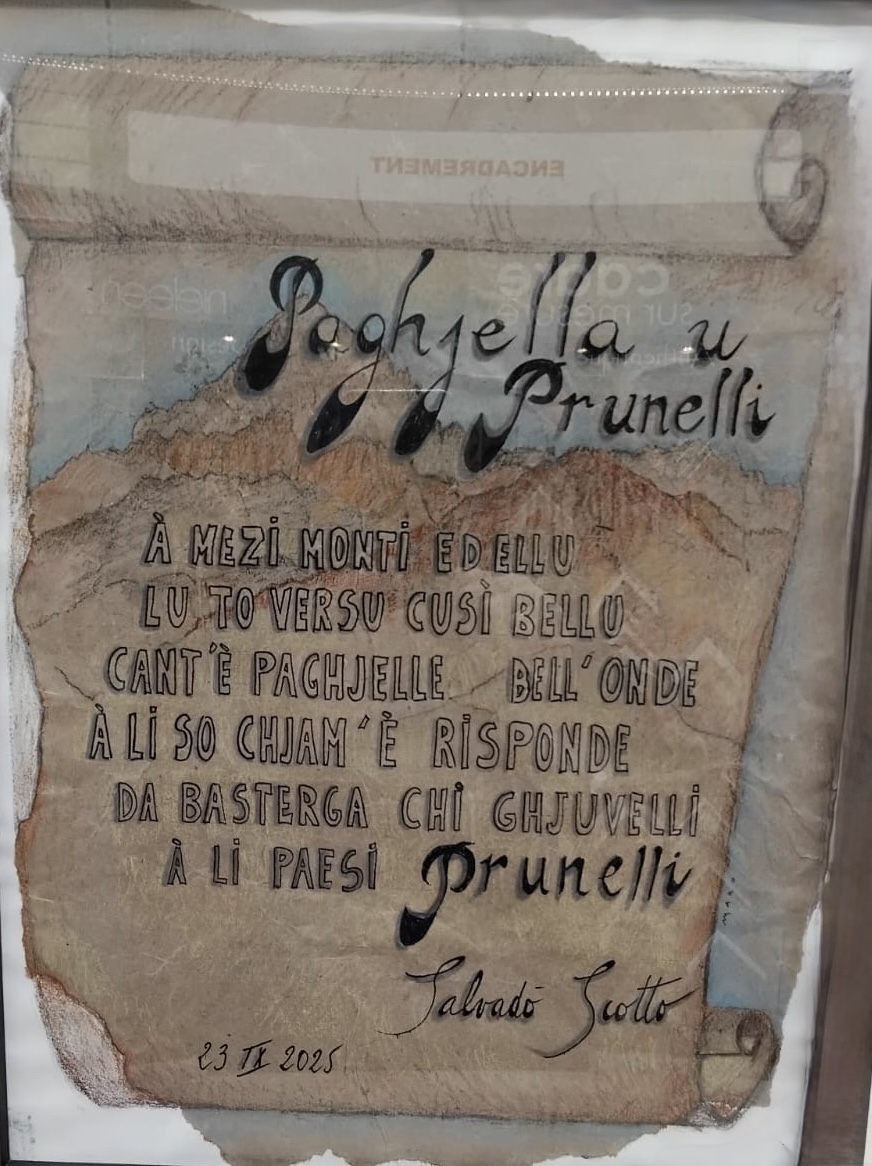
Paghjella u Prunelli
À mezi monti ed ellu
Lu to versu cusì bellu
Cant'è paghjelle bell'onde
À li so chjam'è risponde
Da Basterga chi ghjuvelli
À li paesi Prunelli
Translation
Among the mountains, and he,
your verse, so beautiful,
sings paghjelle, fine waves,
answering their calls,
from Basterga, what jewels,
to the villages of the Prunelli.
Why it matters
The paghjella is one of the most recognisable faces of Corsican identity. To sing a paghjella is to keep a language and a way of being together alive.
Writing paghjelle today, as Salvadò Scotto does, extends that chain of voices: the form remains, the subjects renew themselves.